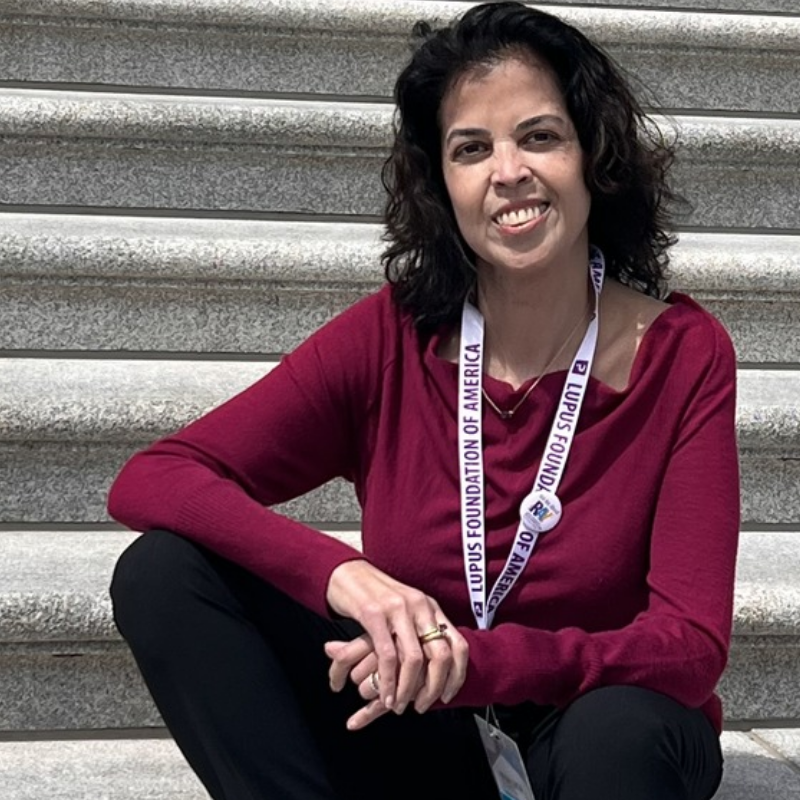
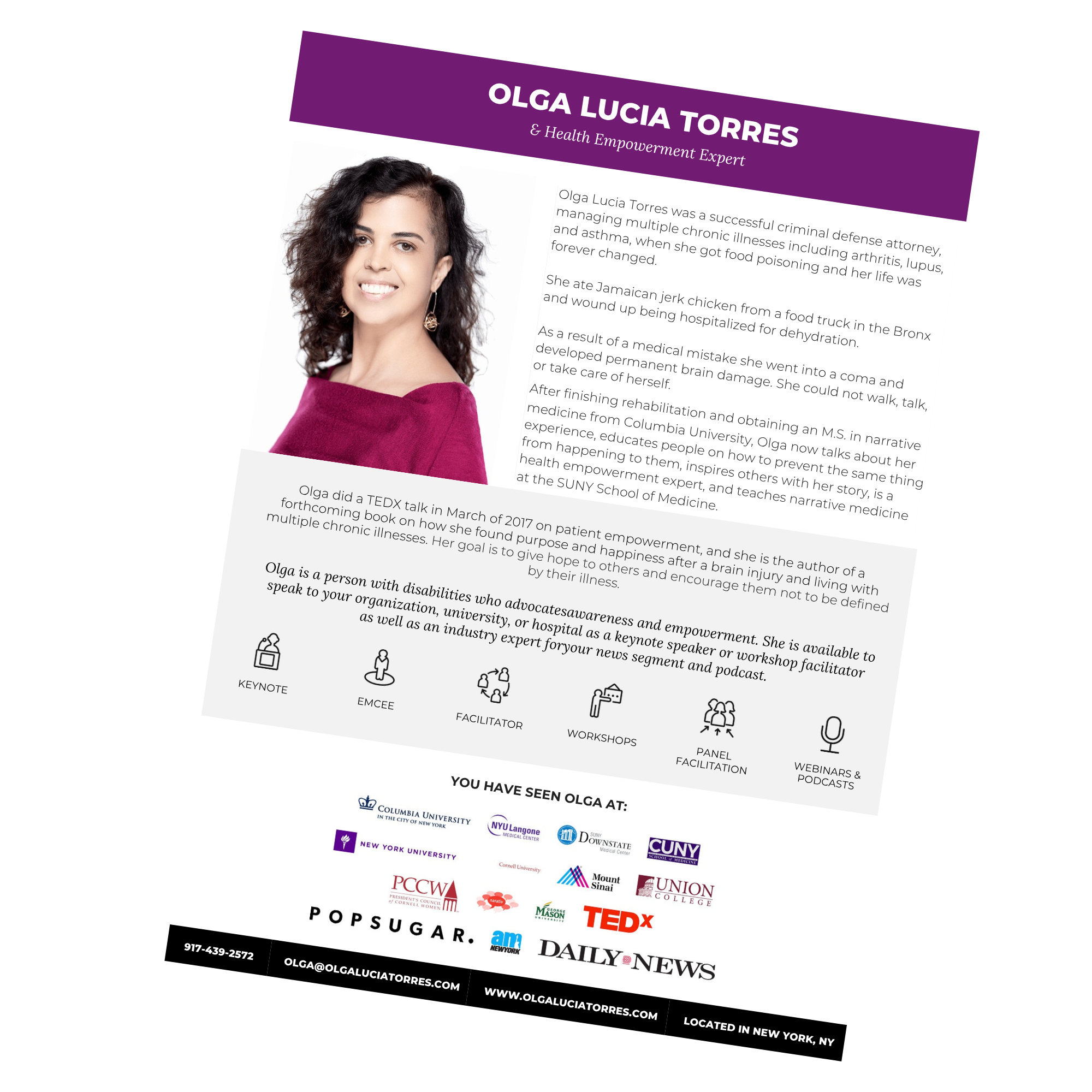
Olga is available to speak to your organization, university, or hospital as a keynote speaker or workshop facilitator as well as an industry expert for your news segment and podcast.
Patients | Caregivers | Clinicians | Advocacy Groups | Community Organizations
Women wait longer for pain treatment than white men. So do BIPOC patients — and the longest delays fall on those who are both: Black and Latina women most of all. And the system rarely explains why.
This talk connects the personal to the structural — naming the patterns of medical gaslighting, bias, and diagnostic error that shape who gets believed, who gets treated, and who gets to leave the exam room with the care they came for.
Attendees leave with:
A framework for recognizing medical gaslighting in the exam room and beyond
Research-backed context for understanding how race, gender, and bias shape diagnosis and treatment
Language to ask better questions, push back without conflict, and advocate in real time
A clear system for organizing and accessing their health records
Confidence to navigate high-pressure conversations with clinicians
From Courtroom to Community: A Latina Leader's Journey to Wellness and Impact
Corporate Leadership | Government Affairs | EDI Audiences | Healthcare Organizations | Community Advocates
Wellness is not self-care. It is the right to be believed, heard, and treated with dignity in every system you enter.
Drawing on her years as a public defender at The Bronx Defenders, her own experience surviving a medical mistake, and her work as a narrative medicine lecturer and patient rights attorney, Olga Lucia Torres traces the through-line between the courtroom and the clinic — two systems where the stakes are highest and the least heard voices pay the greatest price.
This is a keynote about what Latina leadership in wellness actually looks like: not inspiration, but translation. Speaking the language of institutions so the people excluded from them don’t disappear inside.
Attendees leave with:
A reframe of wellness as a civil rights and equity issue — not a lifestyle choice
Data and narrative that connect legal, medical, and media systems as sites of the same inequity
Concrete actions for Government Affairs, EDI, and media professionals to advance health equity
A model of advocacy rooted in community, story, and systemic accountability
Workshops
The Listening Lab
Clinicians | Educators | Healthcare Teams | Advocates | Anyone Who Wants to Listen Better
Most clinical training teaches providers what to ask. This workshop teaches how to hear — and no clinical background is required to be in the room.
Using narrative medicine tools developed at Columbia University, participants practice close listening, reflective writing, and structured dialogue — building the kind of attention that changes what happens in the room.
Attendees leave with:
An introduction to narrative medicine practices they can apply immediately
Guided exercises that deepen attention and reflective capacity
Concrete tools for more honest, human communication in any setting
A framework for more human-centered care
Reading, Writing, and the Medical Encounter: A Narrative Medicine Workshop
Clinicians | Educators | Healthcare Teams | Advocates | Anyone Who Wants to Listen Better
Most of us move too fast to really hear each other. This workshop slows that down.
Participants read a poem, story, or artwork together, write in response to a guided prompt, and share their reflections in open, nonjudgmental discussion. The focus is not critique. It is attention — to language, to perspective, and to what becomes possible when we listen differently.
Attendees leave with:
Direct experience with core narrative medicine practices
A guided writing exercise they can return to on their own
Sharpened attention to language, perspective, and story in clinical and everyday settings
A framework for more reflective, human-centered communication